
Loading...
Using Artificial Intelligence (AI) on ASTM standards and related intellectual property is prohibited. Violations will result in suspension of access.
Dec 12, 2025
ASTM International’s exoskeletons and exosuits committee (F48) has approved a new standard that will guide the use of digital human modeling (DHM) in exoskeleton design, evaluation, and application. The new standard (F3771) will identify and develop methods for using digital human modeling tools to understand the physiological and biomechanical effects of exoskeleton/exosuit usage on the body for static and dynamic movements and/or work activities.
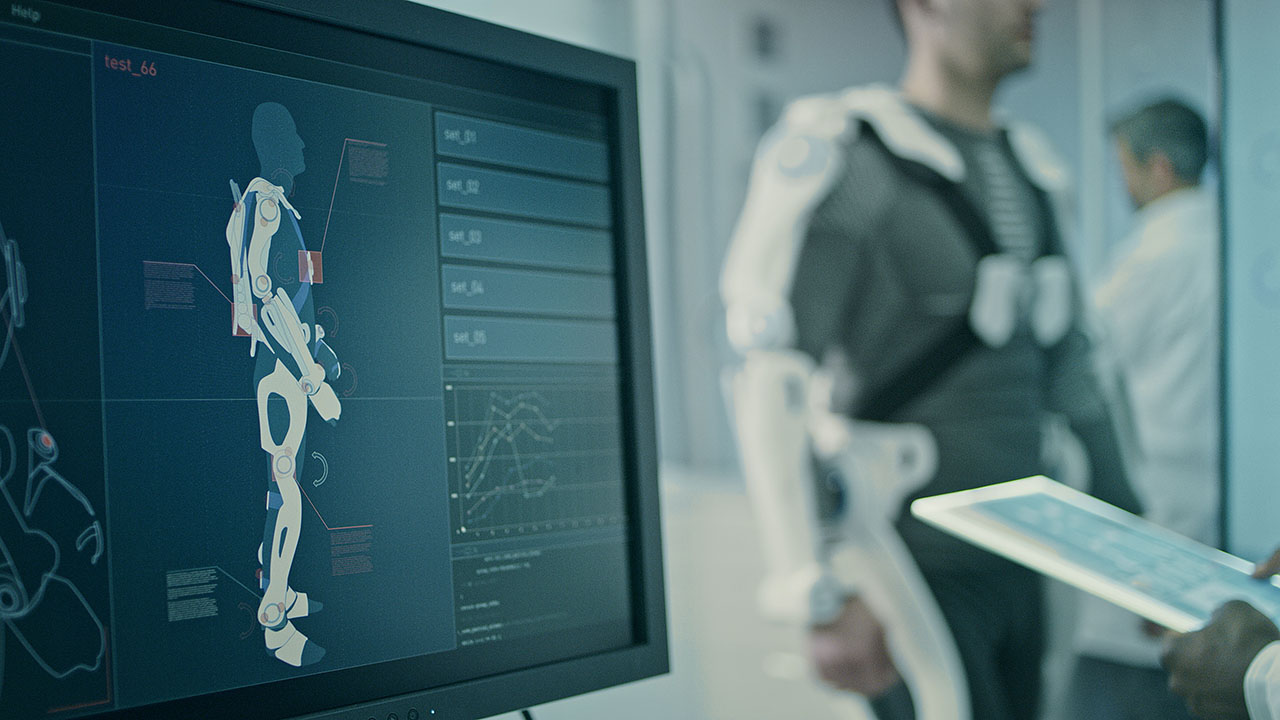
The new standard will explain how to use computer-generated virtual humans to design and evaluate exoskeletons. Instead of building physical prototypes and testing them on people, engineers will be able to create a digital human, add a digital version of an exoskeleton, simulate movements and tasks, and see how the device affects the body, such as by reducing strain or shifting loads.
“This new standard sets a foundational methodological baseline for DHM in exoskeleton practice,” says ASTM member Bochen Jia. “It will help people understand how to utilize DHM to design, evaluation, and deployment of exoskeletons.”
Jia notes that the standard will advance the state of DHM in the following ways:
This effort directly relates to several United Nations Sustainable Development Goals, including #3 on good health and well-being, SDG 8: Decent Work and Economic Growth, SDG 9: Industry, Innovation and Infrastructure, and SDG 12: Responsible Consumption and Production.
ASTM welcomes participation in the development of its standards. JOIN ASTM.
U.N. Sustainable Development Goals Supported:



March / April 2026