
Loading...
Using Artificial Intelligence (AI) on ASTM standards and related intellectual property is prohibited. Violations will result in suspension of access.
By Carolyn Rusin
May 11, 2026
When it comes to aerospace and aviation, one thing is clear: technology isn’t slowing down. And as aircraft systems evolve, so must the technicians who maintain them, whether they’re veterans in the field, newcomers just starting their careers, or students preparing for the industry.
New digital systems, electric propulsion, and next‑generation aircraft are reshaping what it means to be an aerospace technician. But with technology outpacing traditional skill‑training methods, the committee on aerospace personnel (F46) now has a slate of standard revisions and new work items under development, all geared toward keeping pace with innovation and strengthening workforce readiness.
“Electric aircraft are coming,” says William Tramper, the committee’s chair, a role he has held since 2022 after first serving as vice chair. “Right now, system electronics are evolving so fast. Technicians need a clear path to stay ahead of it. We’re preparing the aviation workforce for what’s coming next.”
The committee develops industry-driven, internationally accepted standards for aerospace personnel. These include knowledge aviation and aerospace technicians should possess, the skills they need, and how training programs should be structured. The committee also oversees aviation technician certifications from ASTM’s National Center for Aerospace and Transportation Technologies.
The upcoming standards—six in total—fall under professional development. They are aimed at building a modern, well-qualified workforce to support existing and emerging technologies, according to Tramper. He added the standards will emphasize preparing the aviation workforce with the skills needed for modern electronics while also highlighting their role in safety, readiness, and technician training.
“Our standards are the tools that help technicians stay current with the needs of the industry,” he says.
The following is a breakdown of the standards currently in development.
These standards outline the fundamental knowledge and skills required for individuals, including high school students seeking an apprentice‑level pathway toward becoming airframe or powerplant mechanics. At the same time, they could empower educators at high schools to develop aviation maintenance programs that give students a direct entry point into the field.
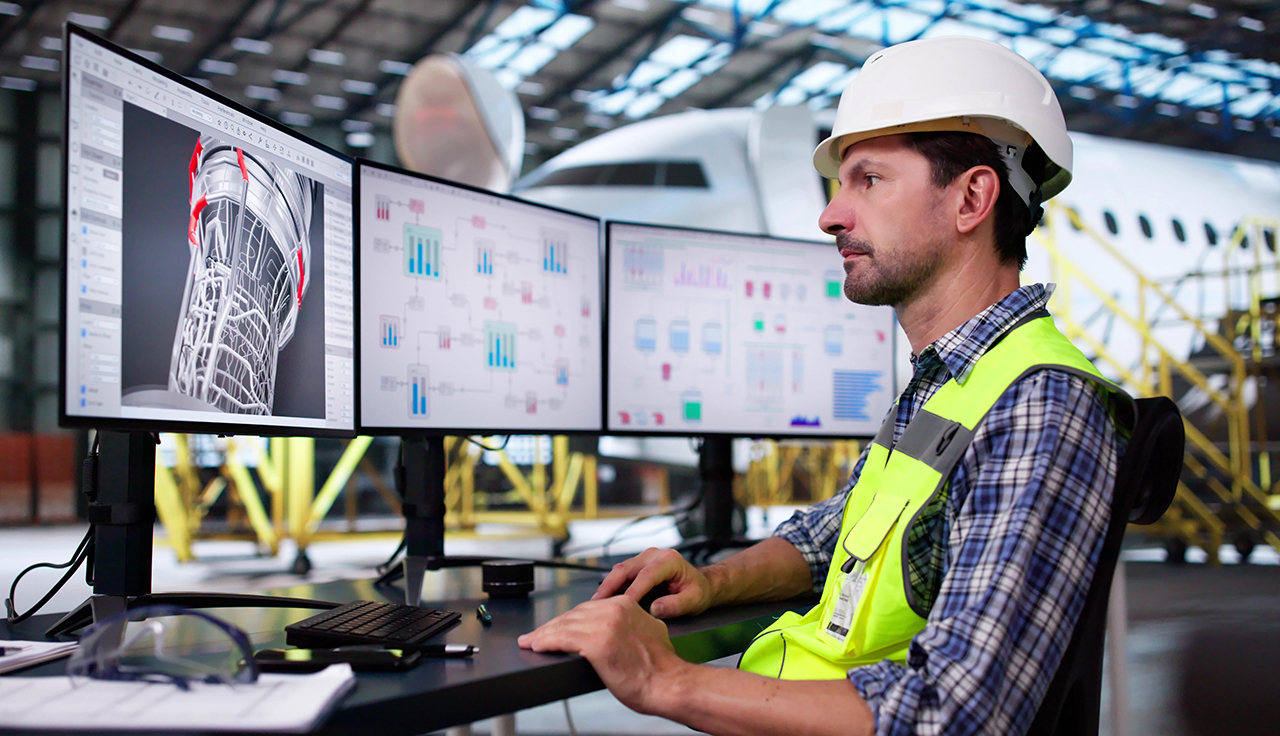
This standard will define the knowledge, skills, and qualifications required for technicians who manage aircraft software, configuration control, and aviation databases. The demand for this expertise is increasing as modern aircraft rely more heavily on advanced software and data connectivity.
This standard will define the knowledge, skills and qualifications required for technicians who install, maintain, calibrate, and analyze data from digital engine monitoring systems. The standard will ensure technicians understand all aspects of monitoring digital engines in aircraft.
This standard will be a major component of the emerging advanced air mobility (AAM) sector. It will define the knowledge and skills required for maintenance technicians who service electric or hybrid aircraft classified under AAM, including electric vertical takeoff and landing aircraft (eVTOLs).
This standard will define the nontechnical skills required for avionics and aircraft electronics technicians, such as communication, teamwork and problem-solving, along with emotional intelligence, leadership, and time-management skills. It reflects industry recognition that aircraft maintenance requires professionalism, strong communication, and cross‑disciplinary collaboration.
Tramper says one way these standards can be applied in practice involves digital and software advances and the growing need for technicians to understand systems that monitor the health of aircraft engines in real time. These systems use engine-mounted sensors, hardware, and software to capture and interpret raw data and serve as predictive maintenance tools.
He also explained the role of eVTOLs. “They’re for short-range travel, like an air taxi or Uber in the sky,” he said. They will also be used for deliveries, including life-critical medical supplies to remote locations where traditional delivery methods take days to accomplish.
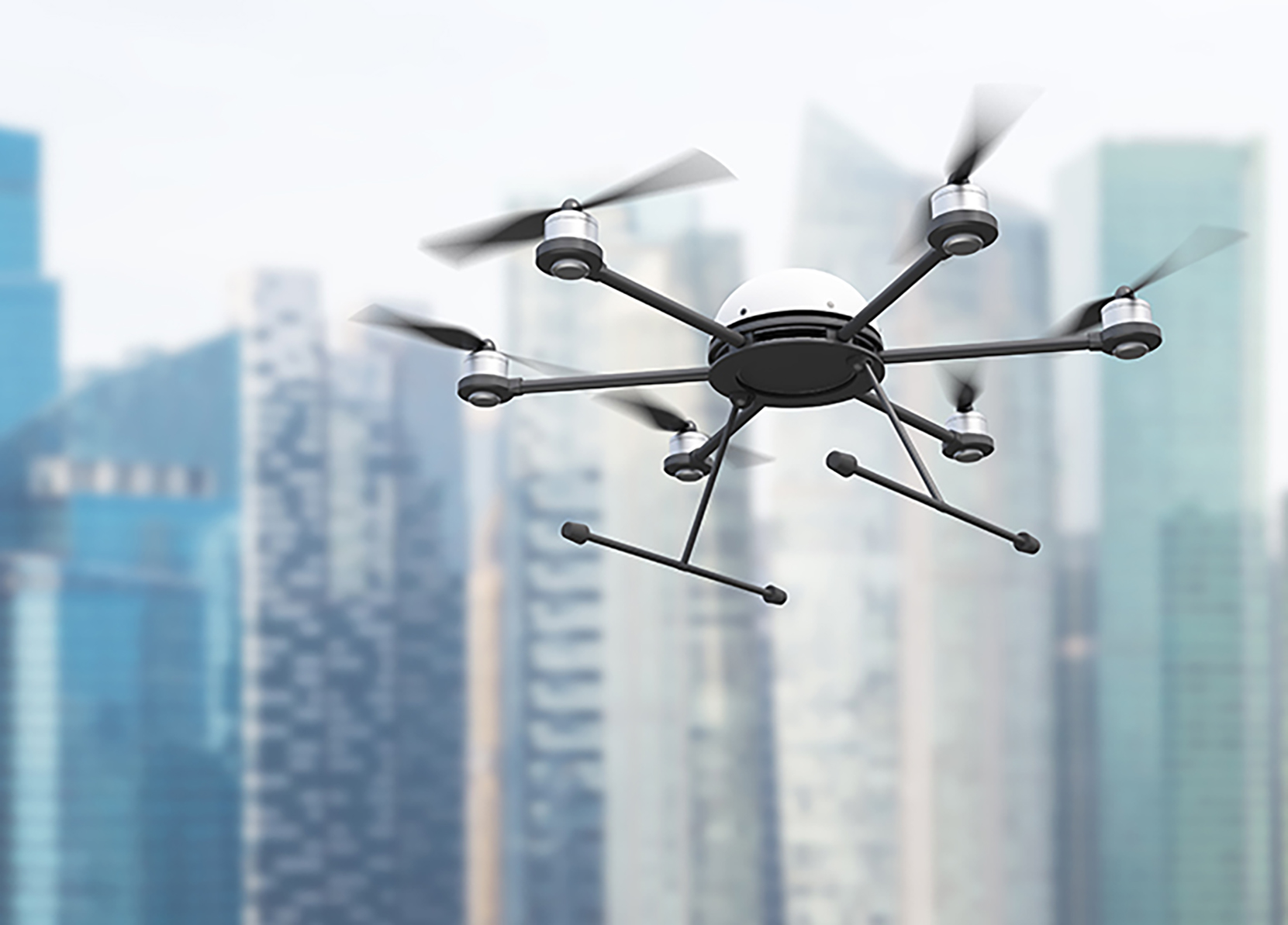
Tramper points to other advanced aviation technologies, including unmanned aircraft, supersonic airplanes, and aircraft equipped with emergency auto-land systems (a button that a passenger can press if the pilot becomes incapacitated).
“We want to be ahead of the game, as these technologies rapidly evolve,” Tramper says. “Evolving technology requires new knowledge, skills, and training. These standards will fill in some of the gaps that exist in personnel training and certification in the industries.”
Carolyn Rusin is a Chicago‑based freelance writer and former Chicago Tribune journalist. Her work has appeared in numerous publications.