
Loading...
Using Artificial Intelligence (AI) on ASTM standards and related intellectual property is prohibited. Violations will result in suspension of access.
By Rich Wilhelm
Apr 14, 2026
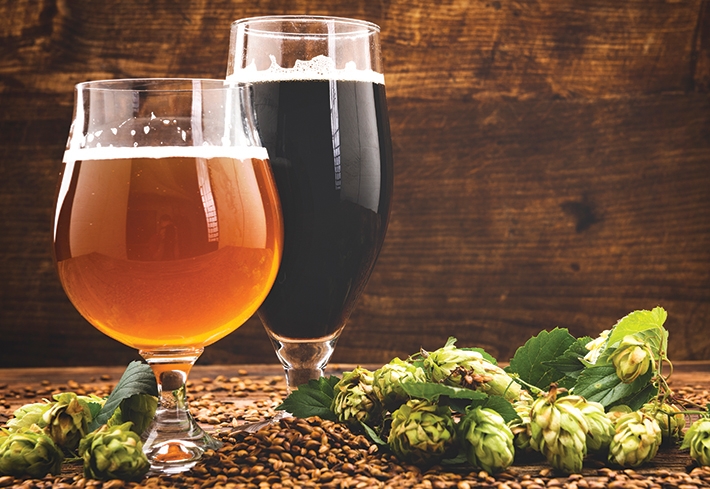
Members of ASTM International’s E18 committee have a fascinating mission: to create standards that will enhance the practice of sensory evaluation of products, materials, information, and services. Sensory evaluation has become an essential tool in product development and quality control, used to evaluate everything from cheese to underarm deodorant. And that even includes beer.
In this episode of “Standards Impact,” Dave Walsh, editor-in-chief of Standardization News, talks with Ali Schultz, member of the committee on sensory evaluation (E18) and sensory manager at New Belgium Brewing and Bell’s Brewery. The lively discussion focuses on how sensory evaluation is a crucial tool used to improve the taste of your favorite beers. Here are excerpts from the conversation.
Dave Walsh: For the layperson, many would wonder why is sensory evaluation so important to not just the beer industry, but the food and beverage industry in general, whether it's cheese or any other product, I think everyone can instinctively understand why it's important when you're creating, say, Fat Tire from New Belgium, but once it's up and running and off to the races, we would think, "Oh, you know, just make a million gallons now, you're fine." Why is it so important to your industry and to the food and beverage industry in general?
Ali Schultz: A lot of reasons, and obviously I'm very biased towards thinking sensory is the best. But with beer and with a lot of food products, most food products, you know, they're natural products. There is automatically variation in the process. We use agricultural products in beer like malt and hops, and yeast is a living organism. And so all of these things factor into making each batch slightly different. There is no such thing as two identical batches, that the beginning of a run to the end of the run might be slightly different, even as much as we try and have it be consistent, it's just unrealistic. And that is true of any food product, and I bet a lot of non-food products as well. So testing is important, not just sensory testing, but all testing is important for that reason, but sensory specifically is important because usually we're cheaper.
At New Belgium, our panelists are all coworkers, so they're just paid, you know, their normal salary and they take time out of their day to participate in panels, so we're not paying them extra for that. Compare that to the cost of a gas chromatograph up in our analytical lab, and they have multiples of those, and that's just one of their instruments. And so we pay our panelists in snacks, so I give them a bag of pretzels and they're good to go. And that's a bit different than a gas chromatograph. The other thing that I think really is important to remember in sensory is we are a lot more sensitive, especially with certain compounds like sulfur compounds than instrumentation. One example of an anomaly we just had with our water is with geosmin, which if you're not familiar with that compound, that is the main aroma compound in beets.
So that kind of earthy, soilly beet aroma. Humans are extremely sensitive to that. We can pick it up at one part per trillion, which is one drop in five Olympic swimming pools, and instruments can get nowhere close to that. And it is a very recognizable off flavor that, that consumers would certainly pick up. So we're a lot more sensitive than instrumentation in a lot of ways. And then I think another big reason, arguably, perhaps the biggest reason is sensory allows us to look at products holistically. It sounds like I'm bashing analytical. I'm not. I love my analytical chemistry coworkers. They do absolutely amazing work and the work I do isn't possible without them, but they can measure a beer's hop compounds. They can understand how much mercene and linolu and caryophylline is in an IPA, but that doesn't tell you what it tastes like.
Dave Walsh: Well, of course your committee, the committee on sensory evaluation has a lot more going on than just beer, even though I would enjoy talking about that for another hour or so, but you have standards for topics that range from evaluating contaminated fish to testing the odor and flavor of drinking water, the standards in E18 run the gamut. So what can you tell us about some of the newest developments coming out of your committee? And new standards can be included in that, but also like what are some of the most important standards that E18 oversees?
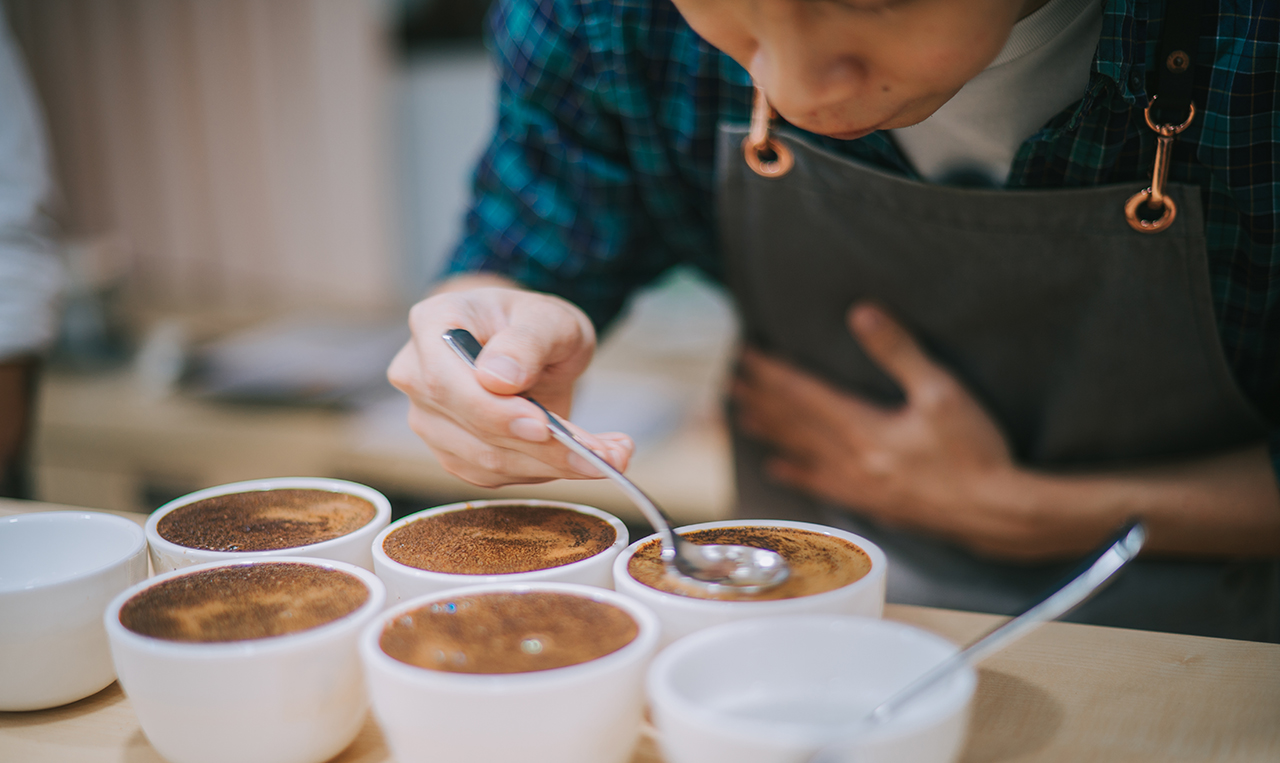
Ali Schultz: Definitely, yeah. It's an exciting time to be on E18. I am the subcommittee chair for E18.06, which is food and beverage. So those are the ones that I'm, I'm most familiar with, but I do have another example from another one that I'll get to in a second. Two of the ones that are up and coming standards in food and beverage subcommittee are one on coffee and tea, which the more we've dived into it, the more we've realized, holy cow, this is a can of worms because you have hot products, you have cold products, you have bags and loose leaf tea, you have Keurig pods, you have potential additives that we all need to factor into the document. And when I say additives, I don't mean like preservatives. I mean, I take my coffee with so much cream and sugar, it tastes like a candy bar, whereas my husband drinks it black.
And so how do you factor that in when you're testing it? Do you let panelists do what they want or do you set a standard where it's like everybody has to drink it black to get the true flavor? And maybe that depends on why you're testing it. You know, is it for consumers or is it for quality? So that's just one layer of the complexity of coffee and tea. And then the other one that is so fascinating that I knew nothing about before I really started working on it is chemesthetic heat sensations. So chemesthetic heat is that spicy note we get from capsaicin or ginger, chili peppers, even black pepper. So that one has been so fascinating to learn about because I've worked with some incredibly, incredibly intelligent women on understanding how our bodies respond to this and how the heck you test something because, you know, you have some hot sauce on your burrito and then I can't taste anything else for like five minutes afterwards. ●